Implications of Offshore Pipelines on Local Marine Biodiversity

In 2017, North American energy infrastructure company Williams Transco proposed a 23.4-mile, 26 inch diameter pipeline as an expansion to its current subsea (below seafloor) framework that delivers natural gas to New York City and surrounding areas. This study delves into the environmental significance of the Northeast Supply Enhancement Pipeline, ascertaining that despite its projected distribution of 400 million cubic feet of natural gas per day to residents, construction will cause too much disturbance to 14,000 acres of marine habitat across the Lower Bay of New York’s harbor. This potential disturbance is supported by peer-reviewed scientific studies and literature on the structure and use of pipelines, as well as Williams Transco’s safety records. While receiving acceptable review from the Federal Energy Regulatory Commission (FERC) with regards to environmental impact, past failures of similar projects signifies too much risk to local marine biodiversity.

Continue reading
Obama Administration Proposes More Alaskan Wilderness Protection

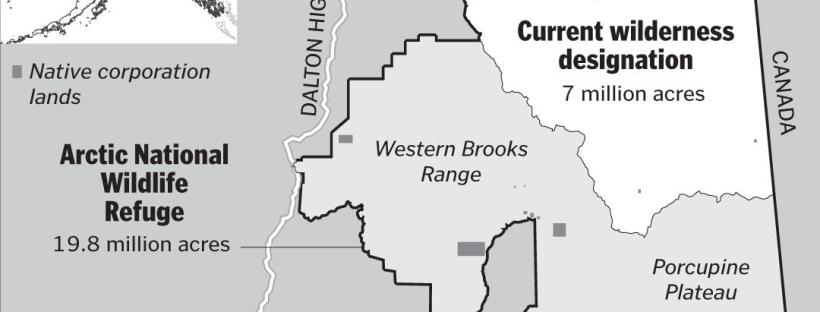
Sparking immediate criticism from key Alaskan officials and the Republican-controlled Congress, the Obama administration recently revealed its plans to protect a little over 12 million acres of land in the Alaskan coastal plain as wilderness. If approved, this move will lawfully declare the area off limits to all gas and oil production and other developments, essentially leaving the territory untouched. Along with his stance on the Keystone XL Pipeline, this will be one of the biggest measures Obama has taken as he sets about keeping true to his promise to be an advocate for the environment.

The area in contention is located in Alaska’s North Slope region and is nestled within the Arctic National Wildlife Refuge (ANWR), the largest wildlife refuge in the country. While the issue may seem to have garnered the media’s attention only lately, the debate whether to protect this land or open it up to drilling and energy exploration has actually been in place for almost 40 years.

Continue reading

Close Call for the Keystone XL Pipeline

Today, the Senate’s voting results defeated Bill 2280: the construction of a 1,179-mile-long pipeline meant to deliver crude oil from Canadian tar sands to oil refineries and existing pipelines in the U.S., ultimately distributing over 800,000 barrels a day to the Texas Gulf Coast. The pipeline has been a hugely controversial topic for six years, ever since TransCanada Corporation put in the request for a cross-border permit to build.

Environmental leaders and many Democrats are definitely applauding this victory, but it was much too close for comfort: as of 5:55 PM on Tuesday, November 18th, the pipeline failed to pass by only one vote.

Continue reading