In 2017, North American energy infrastructure company Williams Transco proposed a 23.4-mile, 26 inch diameter pipeline as an expansion to its current subsea (below seafloor) framework that delivers natural gas to New York City and surrounding areas. This study delves into the environmental significance of the Northeast Supply Enhancement Pipeline, ascertaining that despite its projected distribution of 400 million cubic feet of natural gas per day to residents, construction will cause too much disturbance to 14,000 acres of marine habitat across the Lower Bay of New York’s harbor. This potential disturbance is supported by peer-reviewed scientific studies and literature on the structure and use of pipelines, as well as Williams Transco’s safety records. While receiving acceptable review from the Federal Energy Regulatory Commission (FERC) with regards to environmental impact, past failures of similar projects signifies too much risk to local marine biodiversity.
Continue readingCategory: Effects and Consequences
Earth’s Forests: Reducing Emissions from Deforestation and Degradation
While the U.S. government’s stance on climate change makes a quick about-face, I’ve been hearing more and more about a concept called “REDD”, its implications on the environment, and its developing initiatives to keeping forests intact. REDD stands for reducing emissions from deforestation and degradation.
By definition, deforestation is the conversion of a forest to another use, and degradation is the more gradual loss of its biomass. REDD, therefore, is the protection of forests currently under threat by those two factors.
Earth’s forests have been disappearing for years. Aside from knowing that forests are home to our planet’s precious wildlife, I never questioned the idea of forest preservation, thinking it was something that simply should make sense. But there wasn’t much truth seeking done on my part, so I set out to learn about REDD and its role in the larger discussion surrounding climate change. Here’s what I discovered – starting from the roots.
Continue readingDo You Know Your Water Footprint?
Sometimes it’s difficult to feel connected to water shortage matters in other places, especially when we’re on opposite coasts of the country or half a world away. But while it may seem like the issue is too big, or too far, and our everyday actions as individuals barely make a drop in the bucket, that’s simply not true!
Earlier this week, GRACE Communications Foundation launched a brand-new online footprint calculator that is focused on household water consumption. The interactive questionnaire uses data from the Water Footprint Network, the U.S. Geological Survey, the U.S. Energy Information Administration, the U.S. Environmental Protection Agency and several other sources to calculate an individual’s water footprint. It takes into account the indoor/outdoor water usage we’re all familiar with, like doing the laundry and washing the car:
Continue readinguSell: Fighting Gadget Hoarding and Landfill Waste
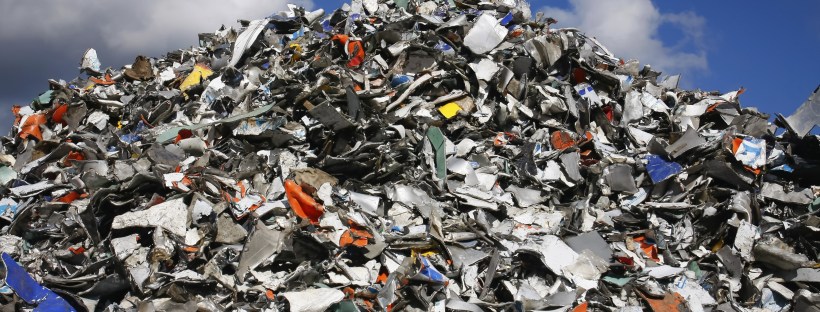
There’s a good chance you’ve seen the uSell commercials on television, urging you to sell your old and unused electronics. It’s a growing issue that needs to be addressed more and more lately, as new technologies seem to upgrade and appear on shelves before we’ve even adjusted to our current devices. In fact, the value of iPhones depreciate at a rate of 5% per month, and Androids at 10%.
Nik Raman, founder and COO of uSell, hopes to combat “gadget hoarding,” a condition many people may not be aware they are experiencing. Over the years, uSell has also prevented more than 200,000 devices from ending up in landfills.
Research made by the company presents some data that may surprise you:
Continue readingTipping Point Set for Global Warming
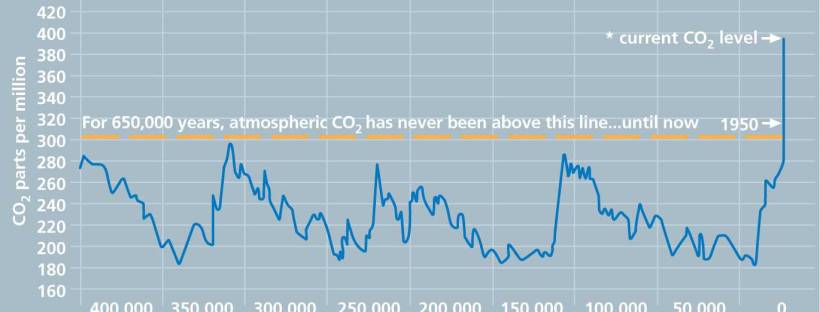
A new study reveals that by the year 2047, climate change will reach its tipping point and every year after that will be hotter than any since 2005.
Here is how some scientists have been reacting to this discovery.
As long as no significant changes are made to the pace in which humans emit carbon, the planet could reach the point of no return in only 34 years. As emphasized in a published paper by biodiversity scientist Camilo Mora, the coldest year in the future will be warmer than the hottest year in the past.
I recommend reading that five more times to fully grasp the gravity of the statement. Continue reading