
Adaption + Mitigation = Resilience

Regarding human responses to climate change, both adaptation and mitigation efforts are necessary. According to a study published in Habitat International, significant changes in our global climate cannot be avoided at this point (Hamin et al, 2008). This fact highlights the importance of adaptive action. Adaptation is meant to minimize the impacts of unavoidable outcomes due to climate change. NASA provides examples of this which include “building flood defenses, planning for heatwaves and higher temperatures, and improving water storage and use” (NASA, 2020).

On the other hand, mitigation efforts seek to continue the work of reducing greenhouse gas emissions. In a way, these actions support adaption because, according to the same study, unmitigated climate change would likely overshoot our ability to adapt by any successful measure. The oceans, forests, and soil act as sinks that store greenhouse gases. An example of mitigation would be supporting the capacity of these sinks such as by ensuring the intactness of large swaths of forests. Whereas adaptation supports present needs, mitigation addresses the future (NASA, 2020).

Continue reading
CUNY Divest and Youth Action in New York City

Along with the People’s Climate March late last year, we’ve been seeing rapidly escalating and sweeping environmental actions largely fortified by young people all over the world!

Take Global Divestment Day which took the world by storm a few weeks ago. Totaling 450 rallies held in 60 countries, hundreds of thousands of young people spoke out in solidarity against Big Oil and for increased focus on renewable energy. The Fossil Fuel Divestment Movement has grown so much over the past few years, borne largely out of increasingly ominous scientific reports on climate change, tragic extreme weather events, and the expansion of oil drilling and exploration despite nonstop news of disastrous accidents.

Over 25 universities and 42 cities worldwide have already committed to divestment. Many others are in the process – or at least have a running divestment campaign working to achieve this 3-part goal:

Continue reading
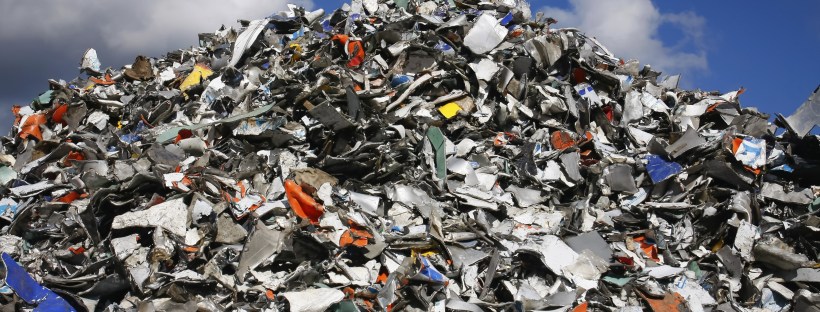
landfill, electronic-waste, usell, ink-raman, gadget-hoarding

uSell: Fighting Gadget Hoarding and Landfill Waste

There’s a good chance you’ve seen the uSell commercials on television, urging you to sell your old and unused electronics. It’s a growing issue that needs to be addressed more and more lately, as new technologies seem to upgrade and appear on shelves before we’ve even adjusted to our current devices. In fact, the value of iPhones depreciate at a rate of 5% per month, and Androids at 10%.

Nik Raman, founder and COO of uSell, hopes to combat “gadget hoarding,” a condition many people may not be aware they are experiencing. Over the years, uSell has also prevented more than 200,000 devices from ending up in landfills.

Research made by the company presents some data that may surprise you:

Continue reading