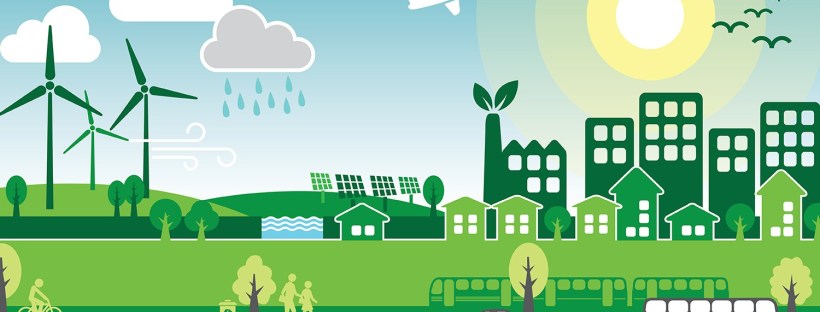
Regarding human responses to climate change, both adaptation and mitigation efforts are necessary. According to a study published in Habitat International, significant changes in our global climate cannot be avoided at this point (Hamin et al, 2008). This fact highlights the importance of adaptive action. Adaptation is meant to minimize the impacts of unavoidable outcomes due to climate change. NASA provides examples of this which include “building flood defenses, planning for heatwaves and higher temperatures, and improving water storage and use” (NASA, 2020).
On the other hand, mitigation efforts seek to continue the work of reducing greenhouse gas emissions. In a way, these actions support adaption because, according to the same study, unmitigated climate change would likely overshoot our ability to adapt by any successful measure. The oceans, forests, and soil act as sinks that store greenhouse gases. An example of mitigation would be supporting the capacity of these sinks such as by ensuring the intactness of large swaths of forests. Whereas adaptation supports present needs, mitigation addresses the future (NASA, 2020).
Continue reading Literaria