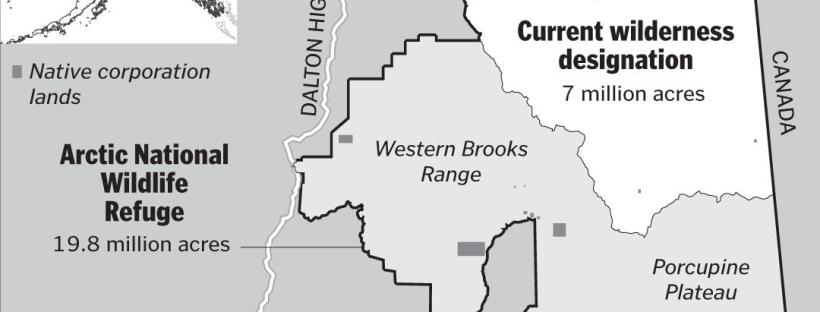
Sparking immediate criticism from key Alaskan officials and the Republican-controlled Congress, the Obama administration recently revealed its plans to protect a little over 12 million acres of land in the Alaskan coastal plain as wilderness. If approved, this move will lawfully declare the area off limits to all gas and oil production and other developments, essentially leaving the territory untouched. Along with his stance on the Keystone XL Pipeline, this will be one of the biggest measures Obama has taken as he sets about keeping true to his promise to be an advocate for the environment.
The area in contention is located in Alaska’s North Slope region and is nestled within the Arctic National Wildlife Refuge (ANWR), the largest wildlife refuge in the country. While the issue may seem to have garnered the media’s attention only lately, the debate whether to protect this land or open it up to drilling and energy exploration has actually been in place for almost 40 years.
“It’s clear this administration does not care about us, and sees us as nothing but a territory,” said Alaskan U.S. Senator Lisa Murkowski, Republican chairman of the Senate Energy and Natural Resources Committee last week. “We will fight back with every resource at our disposal.” The intensity of the opposition Obama’s proposal has encountered thus far (with the state’s governor Bill Walker calling it “an unprecedented assault on Alaska”) is hugely due to the substantial economic wealth the region could provide: the coastal plain is an area potentially rich in oil and has been in the crosshairs of energy companies for years.
On January 25th, the White House Blog posted an article defending the importance of designating the area as wilderness, plainly stating that “the Coastal Plain of the Arctic Refuge, one of the few remaining places in the country as pristine today as it was when the oldest Alaska Native communities first set eyes on it, is too precious to put at risk.”
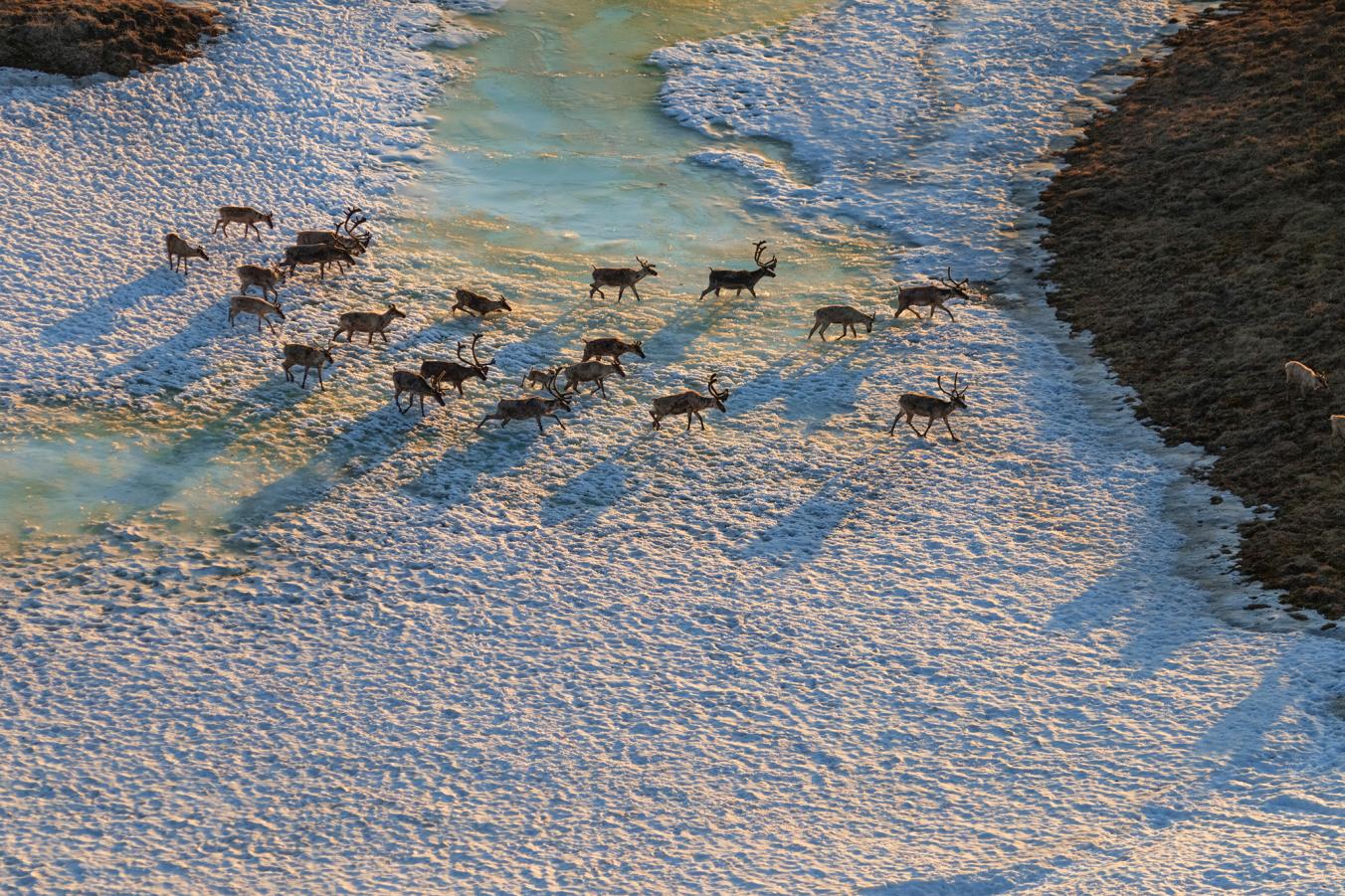
The refuge is home to the most diverse array of plants and animals in the entire Arctic Circle. Its six ecozones provide habitats for mammals such as seals, moose, lynx, polar bears, and musk oxen, and it is the yearly migratory destination of many different species of birds. Porcupine Caribou make the trek especially to this region to give birth to and raise their young.
“It is with good intentions that the state of Alaska strives to protect and ensure a strong economy for the people, but it is indeed very risky,” says Baruch College senior Edward Reynoso. “The risks of oil-drilling in this area outweigh the benefits. If an accident were to occur, it could lead to permanent damage to the habitat and its wildlife, as well as the indigenous people. We must move towards finding ways to sustain ourselves without adding so much stress to our natural habitats.”
Obama emphatically addressed the topic of climate change during his recent State of the Union speech. With his term in office drawing to a close and the current Republican majority in Congress, there is a sense of urgency to accompany the worry that his work (along with that of many others) to secure the future of the environment may come to no fruition. The Arctic National Wildlife Refuge’s protection will be one decisive battle in this global energy war – which is clearly raging ferociously as ever.
(This article is featured in The Ticker, a Baruch College News Publication.)
Featured Photo: © US Fish and Wildlife Service

 Literaria
https://getinsurancenowfast.org/ – car insurance quotes
car insurance quotes
car insurance quotes